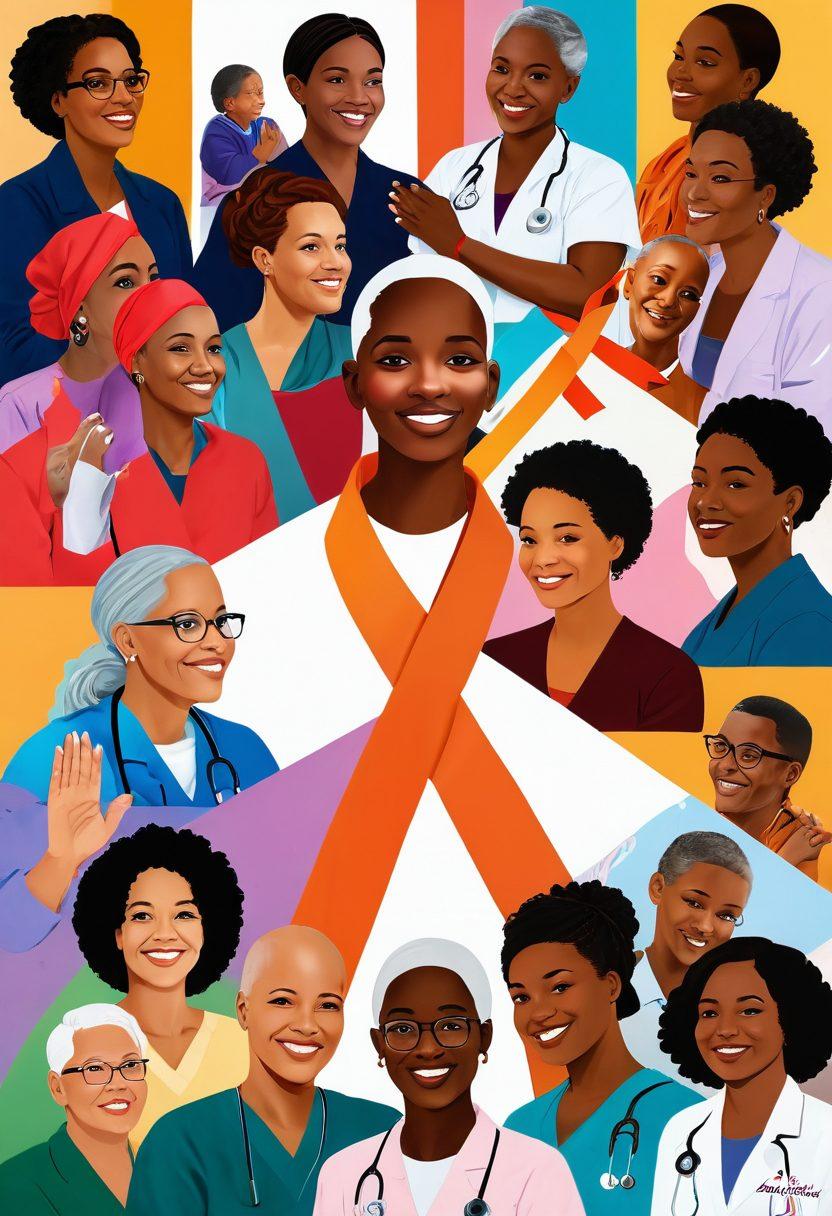
Empowering Oncology: Transforming Cancer Journeys Through Awareness, Treatment, and Support
Navigating the cancer landscape can often feel like steering a ship through turbulent waters. For those touched by cancer, whether they are patients, caregivers, or loved ones, the journey is fraught with uncertainty, fear, and a whirlwind of emotions. But amidst this chaos lies an empowering truth: understanding cancer treatment and support can illuminate pathways for healing and resilience. As the world of oncology evolves, so too do our approaches to cancer awareness, research, and patient advocacy. So, how do we make sense of it all? Let's embark on a transformative journey together, exploring essential insights that can change lives and inspire hope.
The first step in navigating this intricate landscape is recognizing the essential role of early detection. Screening for malignant tumors can significantly alter the trajectory of one's cancer journey. Did you know that certain cancers, when caught early, can lead to increased survivorship rates? This is why cancer awareness initiatives and health education are crucial. They empower individuals to seek routine check-ups and delve into the importance of tumor markers. By fostering an environment where screenings are prioritized, we increase the chances of catching cancer before it progresses. It's not just about treating cancer; it's about investing in our health and well-being before a diagnosis even arises.
Once a diagnosis is made, the next chapter begins – the myriad of treatment options available. The world of cancer treatment is diverse: chemotherapy, radiation therapy, and immunotherapy each play a pivotal role in battling cancer. Each type of treatment can feel like its own unique story, with each patient experiencing their own personal journey through the ups and downs of side effects and resilience. It’s vital for patients to engage in honest discussions with their healthcare providers about which therapeutic approaches may align best with their lifestyles and personal preferences. How do we navigate these options effectively? This is where patient resources and caregiver support come into play, guiding us through the maze of medical jargon and treatment pathways.
In addition to traditional cancer treatments, many are exploring alternative therapies that complement mainstream oncology. From nutrition in cancer care to holistic health practices, the power of lifestyle changes cannot be overstated. Imagine incorporating mindful meditation, yoga, or nutrition tips that bolster the body’s natural defenses during treatment. It's not an either/or scenario – combining these holistic approaches with medical interventions can lead to improved wellness and a sense of empowerment. This transformative perspective can be supported through community awareness initiatives and support groups, where individuals share their cancer experiences and lessons learned along the way.
Lastly, survivorship is a crucial aspect of the cancer journey that shouldn't be overlooked. Just as treatment plans should not end with the final chemotherapy session or radiation therapy appointment, the conversations about wellness and life post-cancer must continue. Patient advocacy plays an essential role in ensuring that cancer survivors receive ongoing support, education, and resources. As we reflect on the stories of cancer survivors, we learn invaluable lessons about resilience and hope. Their narratives can inspire others to embrace their journeys—because every survivor has the potential to rewrite the narrative around cancer. Who knows? Your story might just ignite a spark of courage in someone else fighting a similar battle. Together, let's advocate for awareness, treatment, and support, so that everyone navigating this landscape feels empowered to share their journey.
From Diagnosis to Survivorship: Empowering Patients Through Education and Advocacy
In the world of oncology, each diagnosis is not just a medical term; it represents a life, a family, a story. For patients diagnosed with malignant tumors or benign growths, the journey from that moment of dread to a place of hope and healing is often fraught with uncertainty. However, empowering patients through education and advocacy can transform this daunting experience into a more manageable one. Imagine receiving not just treatment options like chemotherapy, radiation therapy, or immunotherapy, but also the understanding and support to navigate those choices. With the right resources, every patient can transform their cancer journey from a fight for survival into a path toward thriving.
The power of awareness cannot be overstated. Early detection through regular screenings can turn the tide in cancer treatment and survival rates. Statistics show that when cancer is caught in its initial stages, treatment becomes significantly more successful. Therefore, advocacy for cancer awareness is crucial, encouraging conversations that save lives. As the saying goes, "an ounce of prevention is worth a pound of cure," reminding us that proactive health education can be the key to reducing the number of advanced cancer cases. What proactive steps are you taking to stay educated about your health and wellness?
Once diagnosed, understanding the array of treatment options available can be overwhelming. From conventional methods like chemotherapy to alternative therapies, each choice comes with its own set of implications. Patients can feel lost in a sea of jargon, not knowing which path to take. This is where patient advocacy plays a pivotal role. Support groups and community outreach provide a treasure trove of cancer stories that can inspire patients and caregivers alike. Listening to personal journeys shared by fellow warriors can illuminate the way forward and remind patients they’re not alone in their fight. Have you ever thought about how sharing your story might help someone else?
But the journey doesn't just stop with treatment; survivorship is a unique phase that deserves special attention. After the final radiation therapy or the last round of chemotherapy, many survivors find themselves facing a new set of challenges, including lifestyle changes and the need for ongoing support. Integrating holistic health practices, nutrition in cancer care, and emotional wellness can enrich the post-treatment experience. The importance of continued education and resources cannot be overstated — it allows survivors to reclaim their health and live vibrantly. How do you prioritize your health after overcoming such significant challenges?
Importantly, we must recognize that the role of caregiver support is also integral to the cancer journey. Caregivers are often the unsung heroes who provide the emotional backup needed during tough times. Programs aimed at strengthening caregiver resources ensure that they, too, receive the support they need to thrive alongside their loved ones. Communities must come together to foster a culture of caring, offering workshops that focus on health tips, nutrition, and wellness practices tailored for both patients and caregivers. In what ways can you contribute to a supportive community for those facing cancer?
Transforming Fear Into Hope: Real Stories of Resilience and Recovery in Oncology
In the difficult landscape of oncology, fear often takes root. It's the looming shadow of a diagnosis, the anxiety of waiting for test results, and the uncertainty that follows a life-altering prognosis. Yet, amid this confusion, there exists a powerful transformation—a metamorphosis of fear into hope. Real stories of resilience and recovery captivate our hearts and remind us that the journey with cancer is not just about battling a tumor, whether it be malignant or benign; it's about the human spirit’s innate ability to rise, heal, and inspire. In this blog, we will explore these compelling cancer stories that not only shine a light on the realities of treatment but also offer a beacon of hope for those on similar journeys.
Imagine the extraordinary journey of a woman named Lisa, whose life was transformed after her breast cancer diagnosis. ' cancer awareness is our best weapon,' she often says, a mantra that has fueled her commitment to educating others about early detection and screening. When Lisa first found her lump, fear gripped her heart, but through patient advocacy and community awareness, she took charge of her health. Armed with knowledge about her options—from chemotherapy to alternative therapies—Lisa transformed her fear into action. Her resilience not only propelled her through treatment but also sparked an outpouring of support as she engaged in health education initiatives to empower others. Isn't it inspiring how one person's experience can lead to collective strength?
Then there’s Mark, a brave survivor whose journey through cancer treatment spanned years. His approach to wellness, focusing on lifestyle changes and nutrition in cancer care, became his cornerstone for recovery. Mark often shares that, 'Cancer is formidable, but it doesn't have to define you.' His story highlights the importance of holistic health practices alongside conventional methods like radiation therapy and immunotherapy. Mark's unwavering belief in the healing power of nutrition and alternative therapies has not only aided his own survivorship but also motivated others to reexamine their health habits. What would it look like if we all embraced this mindset?
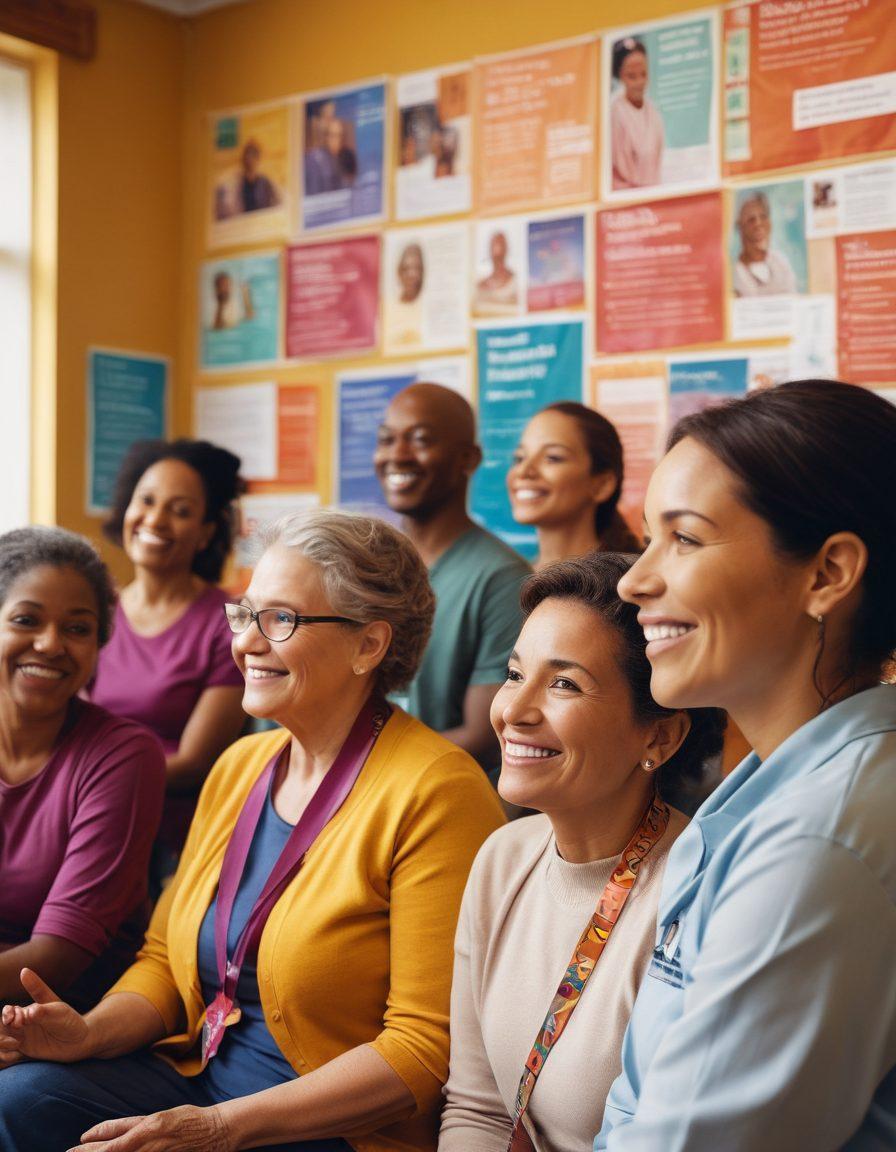
Support groups can serve as lifelines for many. The power of shared cancer experiences creates an atmosphere where individuals feel less isolated and more empowered. These gatherings provide a platform where fears are voiced, victories celebrated, and practical health tips exchanged. When Anne, a long-time caregiver and cancer support advocate, joined her local support group, she discovered an entire community willing to share their stories of struggle and triumph. Through these connections, she not only found her own strength but also embraced her role in helping others navigate the complexities of their journeys. What support resources exist in your community that could strengthen the relationships between patients and caregivers?
Ultimately, the stories we share are what bind us together in our fight against cancer. They give rise to hope and encourage others to advocate for themselves and their loved ones. When we celebrate our personal journeys, we embody the essence of resilience. Let’s remember that while cancer is a challenging chapter of life, it does not have to become the entire book. Through ongoing cancer research, innovative treatments, and relentless advocacy, we can reshape the narrative of oncology into one of empowerment and awareness. So, as we move forward, let's ask ourselves: How can we transform our fear into hope and support both ourselves and each other in this fight?